
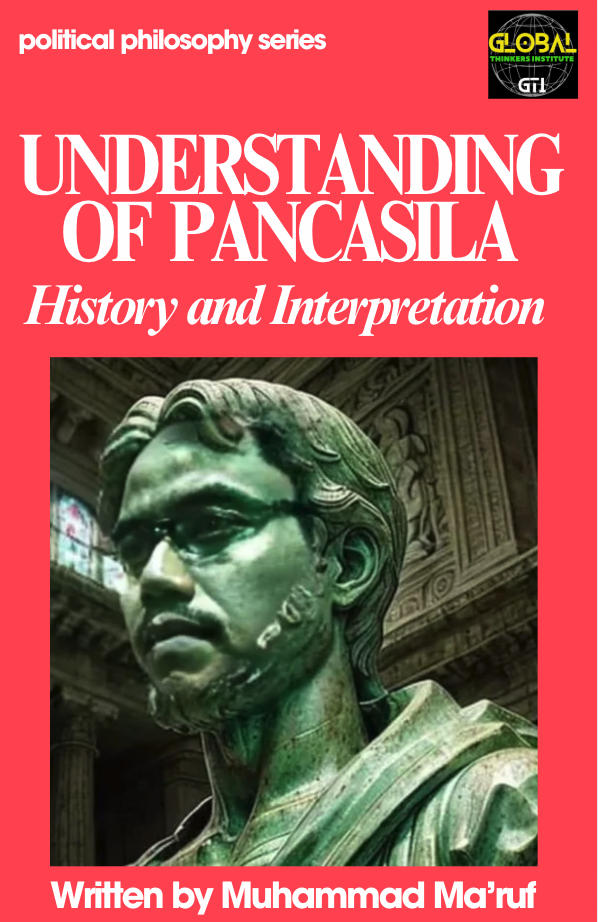

Every country has its own unique political system. Indonesia is no exception. Before independence on August 17, 1945, to the present day, the Indonesian people have been familiar with political systems. These include the political systems of kingdoms in the archipelago, the colonial political systems and its colonies, the political system of the Republic of Indonesia, created by the founding fathers of the Indonesian nation-Pancasila.
Pancasila is the foundation of the Republic of Indonesia, shaping the country's political system. Since August 18, 1945, Pancasila and the 1945 Constitution have legally served as the legal basis or constitution of the Republic of Indonesia. However, despite its legal legitimacy, the legitimacy of Pancasila has been interpreted by rulers and thinkers according to their own understanding and interests.
Pancasila was interpreted by Sukarno as the ideological basis for unity and a tool to fight colonialism and imperialism. Suharto had to interpret Pancasila as a development ideology and a tool to fight communism. The rulers and thinkers of the Reformation Era interpreted Pancasila as a tool to strengthen liberal democracy.
This book offers Pancasila scholars the opportunity to gain information on the historical, legal, and interpretive meaning of Pancasila. With sufficient information, readers can gain a better understanding and interpretation of Pancasila.
This book was written by Muhammad Ma'ruf, part of a series of books on political philosophy, specifically for the political system developed in Indonesia, 2025.